The Experience
The Experience
The Experience
Discover, Move, Gather, Unlock
What is possible now
Azeea shows what is live, nearby, open, moving, and possible right now.
Not a feed.
Not a search.
Not a static list.
A performance begins.
A trail appears.
A venue opens space.
A reward unlocks.
A group finds the next place together.
The experience changes because the real world changes.
How it feels
You open Azeea.
You see what is live nearby.
You move toward something available.
A route, reward, artist, venue, or trail unlocks.
The experience changes as the city changes.
Discover
See what is happening nearby right now.
Events.
Venues.
Artists.
Trails.
Places.
Moments.
Move
Adjust when plans change.
Find active routes.
Open places.
Available options.
The next useful move.
Gather
Coordinate with others in real time.
Where to meet.
What is open.
What has space.
What makes sense next.
Unlock
Join live experiences.
Quests.
Rewards.
Characters.
Artist moments.
Hidden layers.
What is possible now
Azeea shows what is live, nearby, open, moving, and possible right now.
Not a feed.
Not a search.
Not a static list.
A performance begins.
A trail appears.
A venue opens space.
A reward unlocks.
A group finds the next place together.
The experience changes because the real world changes.
Live use cases
Discover, Move, Gather, Unlock
How it feels
You open Azeea.
You see what is live nearby.
You move toward something available.
A route, reward, artist, venue, or trail unlocks.
The experience changes as the city changes.
Discover what is possible now
Discover what is possible now
Azeea can support real world moments where timing and availability matter.
Discover
See what is happening nearby right now.
Events.
Venues.
Artists.
Trails.
Places.
Moments.
Move
Adjust when plans change.
Find active routes.
Open places.
Available options.
The next useful move.
Gather
Coordinate with others in real time.
Where to meet.
What is open.
What has space.
What makes sense next.
Unlock
Join live experiences.
Quests.
Rewards.
Characters.
Artist moments.
Hidden layers.
The city becomes responsive
Azeea connects people to places, timing, movement, and live moments.
A venue can become visible when it has space.
An artist can appear when a performance begins.
A trail can unlock when someone is nearby.
A route can change when conditions change.
A reward can appear at the right moment.
Not as a map.
As a living layer on top of the real world.
Live use cases
Azeea can support real world moments where timing and availability matter.
Azeea reflects live conditions in the real world.
Open places.
Active events.
Nearby artists.
Available capacity.
Hidden trails.
Timed rewards.
Changing routes.
What is available appears.
What is no longer possible disappears.
You do not browse the city.
You move with it.
Azeea reflects live conditions in the real world.
Open places.
Active events.
Nearby artists.
Available capacity.
Hidden trails.
Timed rewards.
Changing routes.
What is available appears.
What is no longer possible disappears.
You do not browse the city.
You move with it.
Azeea shows what is live, nearby, open, moving, and possible right now.
Not a feed.
Not a search.
Not a static list.
A performance begins.
A trail appears.
A venue opens space.
A reward unlocks.
A group finds the next place together.
The experience changes because the real world changes.
Venue discovery
A restaurant, gallery, club, arena, or cultural space can surface when it has capacity or something active is happening.
Tourism routes
A city can reveal trails, places, stories, rewards, and cultural moments based on location, timing, and live conditions.
Events
An event can guide people between stages, routes, rewards, and moments as the environment changes.
Artist activations
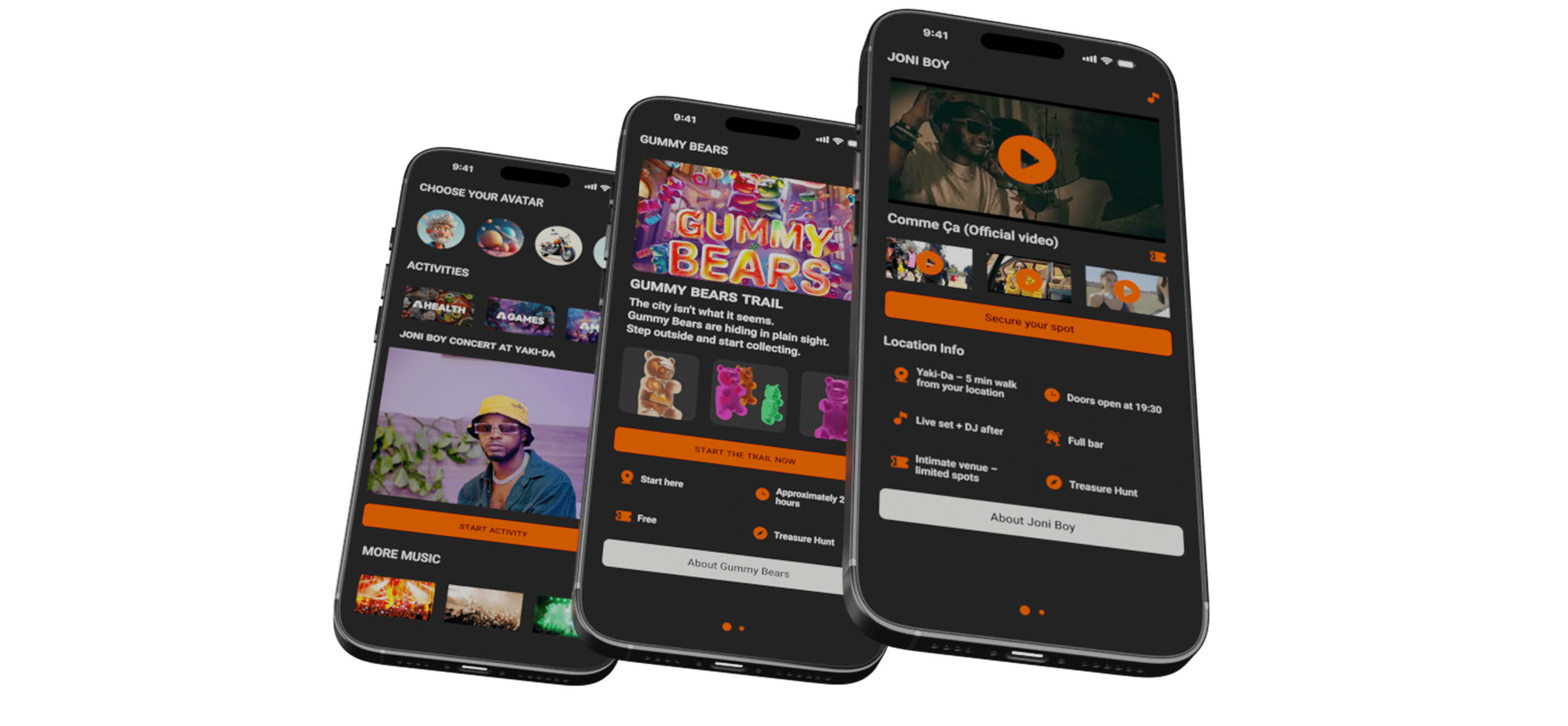
An artist can appear inside the experience, turning songs, locations, performances, and moments into a city scale layer.
Group movement
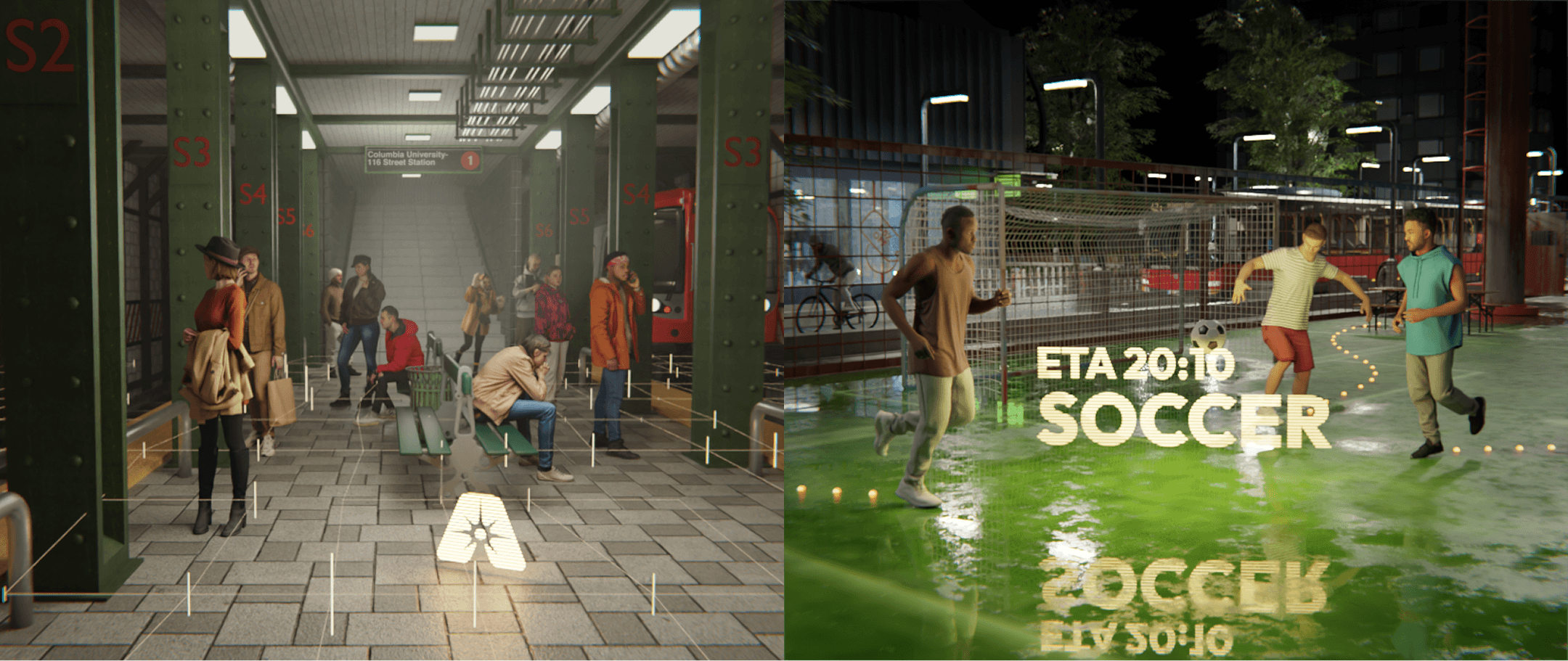
Friends can see what makes sense next based on what is nearby, open, active, and available.
Discover, Move, Gather, Unlock
How it feels
You open Azeea.
You see what is live nearby.
You move toward something available.
A route, reward, artist, venue, or trail unlocks.
The experience changes as the city changes.
Discover
See what is happening nearby right now.
Events.
Venues.
Artists.
Trails.
Places.
Moments.
Move
Adjust when plans change.
Find active routes.
Open places.
Available options.
The next useful move.
Gather
Coordinate with others in real time.
Where to meet.
What is open.
What has space.
What makes sense next.
Unlock
Join live experiences.
Quests.
Rewards.
Characters.
Artist moments.
Hidden layers.
Register investor interest
Join us in deploying with cities, operators, and partners — shaping the next layer of public
infrastructure together.
Register investor interest
Join us in deploying with cities, operators, and partners — shaping the next layer of public
infrastructure together.
Register investor interest
Join us in deploying with cities, operators, and partners — shaping the next layer of public
infrastructure together.
The city becomes responsive
Azeea connects people to places, timing, movement, and live moments.
A venue can become visible when it has space.
An artist can appear when a performance begins.
A trail can unlock when someone is nearby.
A route can change when conditions change.
A reward can appear at the right moment.
Not as a map.
As a living layer on top of the real world.
Live use cases
Azeea can support real world moments where timing and availability matter.
Artist activations
An artist can appear inside the experience, turning songs, locations, performances, and moments into a city scale layer.
Group movement
Friends can see what makes sense next based on what is nearby, open, active, and available.
Venue discovery
A restaurant, gallery, club, arena, or cultural space can surface when it has capacity or something active is happening.
Tourism routes
A city can reveal trails, places, stories, rewards, and cultural moments based on location, timing, and live conditions.
Events
An event can guide people between stages, routes, rewards, and moments as the environment changes.
The city becomes responsive
Azeea connects people to places, timing, movement, and live moments.
A venue can become visible when it has space.
An artist can appear when a performance begins.
A trail can unlock when someone is nearby.
A route can change when conditions change.
A reward can appear at the right moment.
Not as a map.
As a living layer on top of the real world.
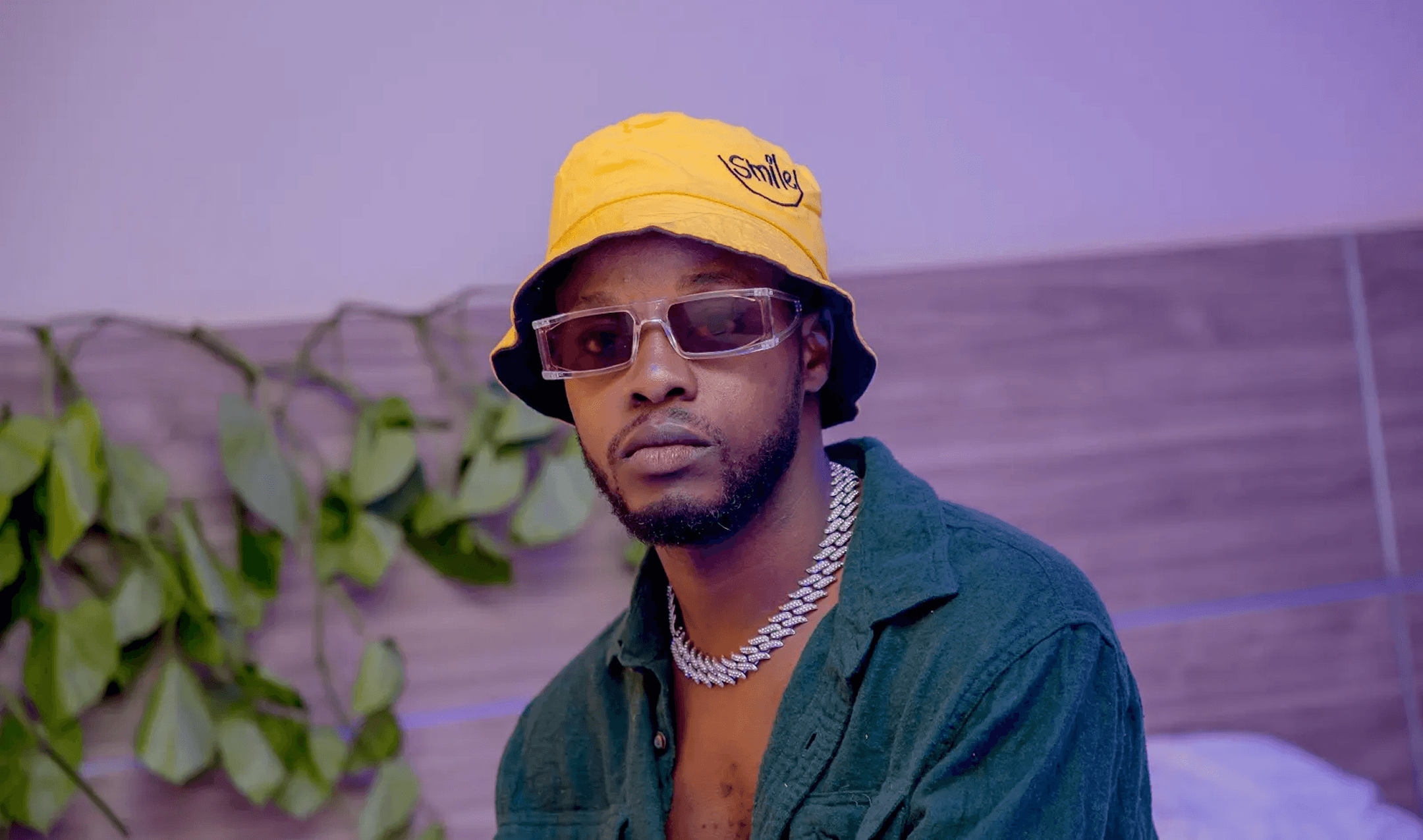
A new stage for artists
Azeea lets real artists perform inside the city experience.
A song can lead to a place.
A place can unlock a moment.
A live appearance can gather people nearby.
A trail can become part of an artist’s world.
Joni Boy is one example.
Many artists can perform, appear, and activate inside Azeea.
The city becomes playable
Azeea adds timing, discovery, rewards, characters, missions, and participation to the real world.
People can follow trails.
Unlock moments.
Collect Æons.
Find hidden places.
Join challenges.
Meet artists.
The city becomes the interface.
Movement becomes interaction.
Participation becomes the reward.
Experience worlds
Azeea can host different worlds inside the same live system.
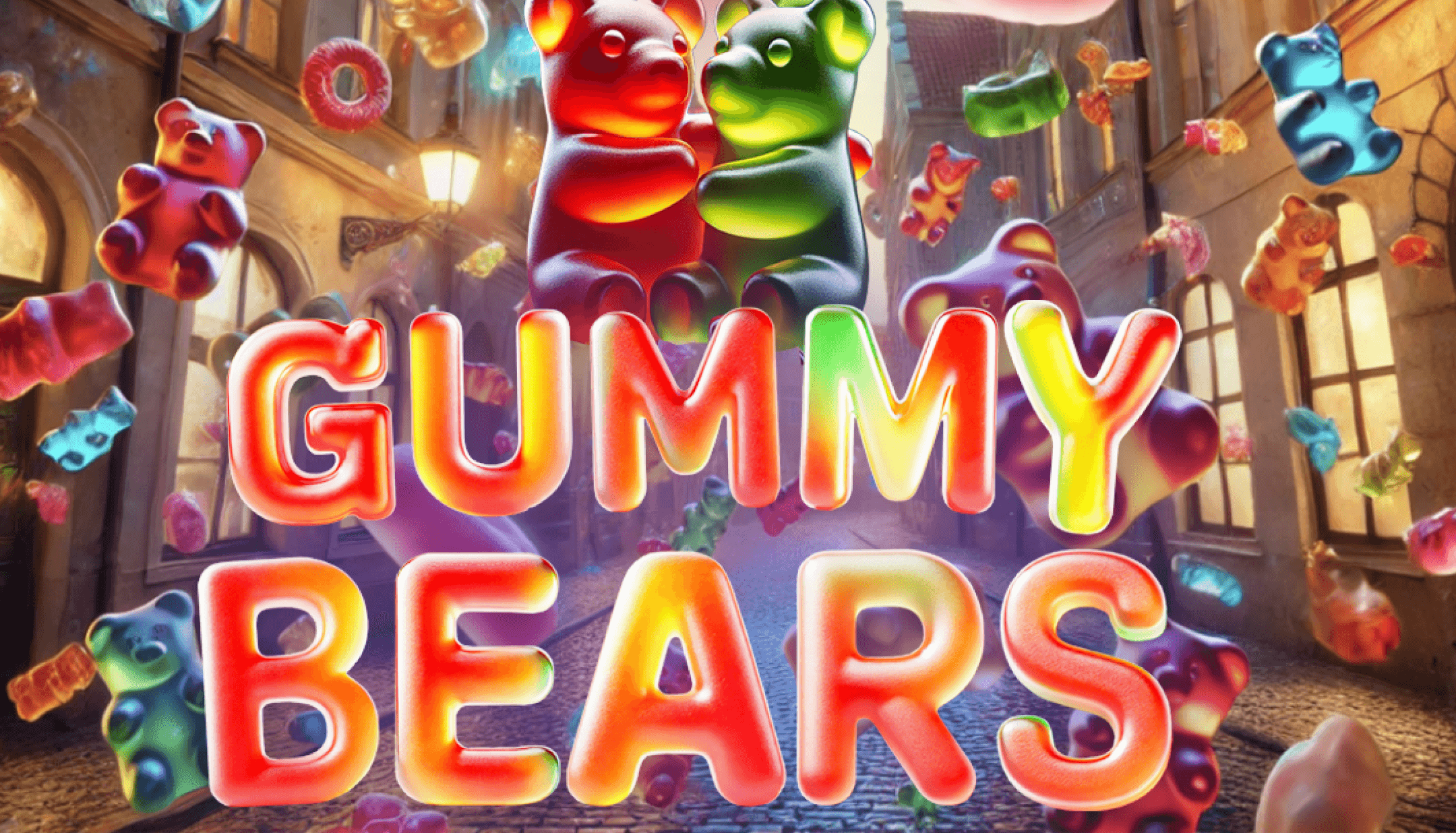
Gummy Bear Town.
Joni Boy.
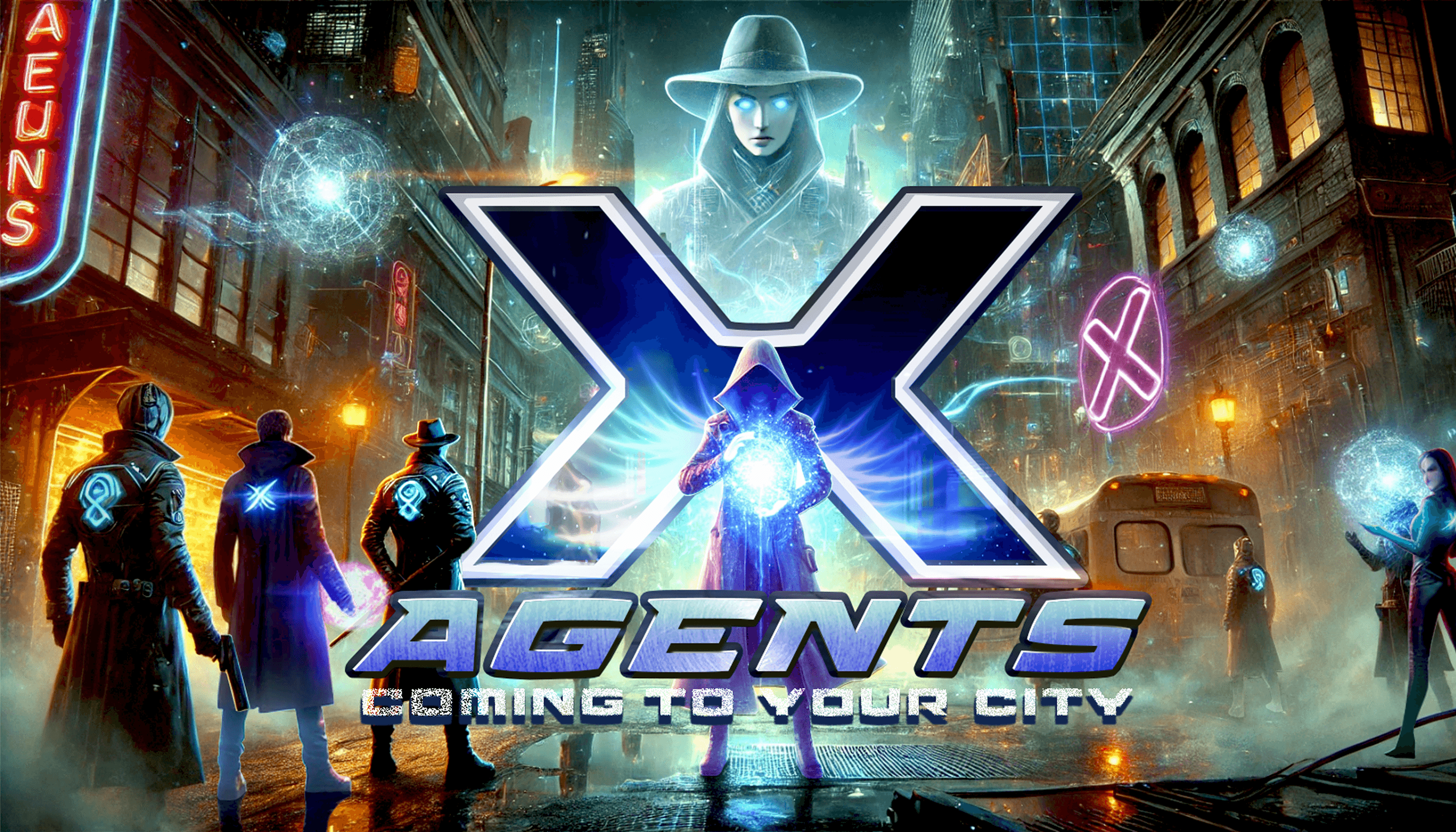
X Agents.
Artists.
Brands.
Tourism routes.
Cultural programs.
City activations.
Different experiences.
Same real time infrastructure.
Proof of participation
Æons are digital objects earned through real world activity.
They can mark that someone found a place, joined a moment, completed a trail, met an artist, or unlocked a hidden layer.
Not just points.
Proof that something happened.
For people, Azeea becomes discovery.
For artists, a new stage.
For venues, live capacity.
For cities, participation.
For brands, movement.
For tourism, live destination discovery.
Attention becomes movement.
Movement becomes participation.
Participation becomes measurable value.
Value beyond the screen
Azeea in the wild
Azeea exists where life already happens.
In venues.
On streets.
Across neighborhoods.
Inside events.
Between people, places, artists, and moments.
What you see is already happening.
You do not enter Azeea.
You move through it.
The city becomes playable
Azeea adds timing, discovery, rewards, characters, missions, and participation to the real world.
People can follow trails.
Unlock moments.
Collect Æons.
Find hidden places.
Join challenges.
Meet artists.
The city becomes the interface.
Movement becomes interaction.
Participation becomes the reward.
A new stage for artists
Experience worlds
Azeea can host different worlds inside the same live system.
Gummy Bear Town.
Joni Boy.
X Agents.
Artists.
Brands.
Tourism routes.
Cultural programs.
City activations.
Different experiences.
Same real time infrastructure.
Proof of participation
Æons are digital objects earned through real world activity.
They can mark that someone found a place, joined a moment, completed a trail, met an artist, or unlocked a hidden layer.
Not just points.
Proof that something happened.
Value beyond the screen
For people, Azeea becomes discovery.
For artists, a new stage.
For venues, live capacity.
For cities, participation.
For brands, movement.
For tourism, live destination discovery.
Attention becomes movement.
Movement becomes participation.
Participation becomes measurable value.
Azeea in the wild
Azeea exists where life already happens.
In venues.
On streets.
Across neighborhoods.
Inside events.
Between people, places, artists, and moments.
What you see is already happening.
You do not enter Azeea.
You move through it.
Azeea lets real artists perform inside the city experience.
A song can lead to a place.
A place can unlock a moment.
A live appearance can gather people nearby.
A trail can become part of an artist’s world.
Joni Boy is one example.
Many artists can perform, appear, and activate inside Azeea.
A new stage for artists
Azeea lets real artists perform inside the city experience.
A song can lead to a place.
A place can unlock a moment.
A live appearance can gather people nearby.
A trail can become part of an artist’s world.
Joni Boy is one example.
Many artists can perform, appear, and activate inside Azeea.
Joni Boy
The city becomes playable
Azeea adds timing, discovery, rewards, characters, missions, and participation to the real world.
People can follow trails.
Unlock moments.
Collect Æons.
Find hidden places.
Join challenges.
Meet artists.
The city becomes the interface.
Movement becomes interaction.
Participation becomes the reward.
Experience worlds
Azeea can host different worlds inside the same live system.
Gummy Bear Town.
Joni Boy.
X Agents.
Artists.
Brands.
Tourism routes.
Cultural programs.
City activations.
Different experiences.
Same real time infrastructure.
Proof of participation
Æons are digital objects earned through real world activity.
They can mark that someone found a place, joined a moment, completed a trail, met an artist, or unlocked a hidden layer.
Not just points.
Proof that something happened.
Value beyond the screen
For people, Azeea becomes discovery.
For artists, a new stage.
For venues, live capacity.
For cities, participation.
For brands, movement.
For tourism, live destination discovery.
Attention becomes movement.
Movement becomes participation.
Participation becomes measurable value.
Azeea exists where life already happens.
In venues.
On streets.
Across neighborhoods.
Inside events.
Between people, places, artists, and moments.
What you see is already happening.
You do not enter Azeea.
You move through it.
Artist activations
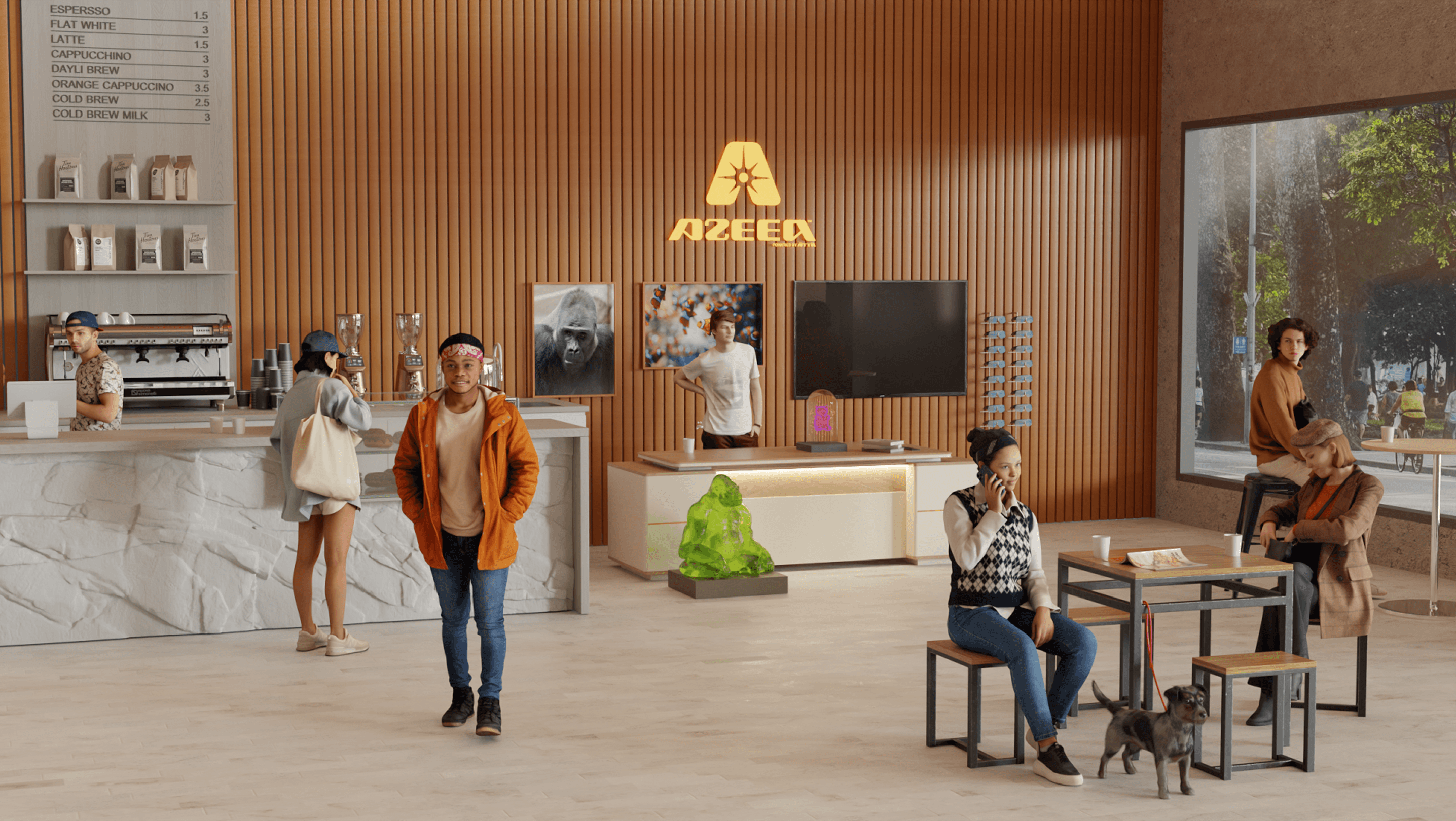
An artist can appear inside the experience, turning songs, locations, performances, and moments into a city scale layer.
Group movement
Friends can see what makes sense next based on what is nearby, open, active, and available.
Venue discovery
A restaurant, gallery, club, arena, or cultural space can surface when it has capacity or something active is happening.
Tourism routes
A city can reveal trails, places, stories, rewards, and cultural moments based on location, timing, and live conditions.
Events
An event can guide people between stages, routes, rewards, and moments as the environment changes.